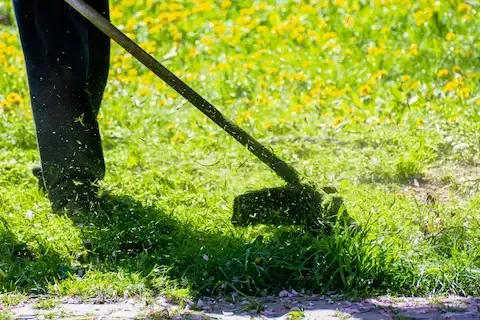
Edging And Trimming Playbook for Davenport IA Yards
A freshly mowed lawn can still look rough around the edges — literally. In Davenport, IA, where front yards face the Mississippi River humidity in summer and freeze-thaw cycles in early spring, edging and trimming aren't cosmetic extras. They're what separate a yard that looks maintained from one that looks managed. Whether you're dealing with a concrete walkway that collects creeping fescue, a mulched bed border that blurs into the turf, or a fence line that a mower can't reach, this guide covers the full picture of how to do the job right.
Why Edging and Trimming Matter More Than Most Homeowners Realize
Edging and trimming are often treated as finishing touches, but they perform structural functions for your lawn's health. When grass encroaches over a sidewalk or driveway edge, it traps moisture against the concrete, accelerating surface cracking and creating a habitat for insects and fungal growth. Overgrown bed borders allow grass runners — particularly common with Kentucky bluegrass and tall fescue varieties popular in the Quad Cities area — to invade mulched planting zones and choke out shrubs and perennials.
Clean edges also define the visual boundary of your property. On a typical Davenport residential block, the difference between a yard with crisp sidewalk lines and one with ragged growth is immediately visible from the street. That curb appeal matters for home value, neighbor relations, and your own satisfaction every time you pull into the driveway.
Beyond aesthetics, consistent trimming along fence lines, tree bases, and hardscape transitions reduces the time you spend mowing. When grass is allowed to grow tall in corners and tight spots, it creates an uneven canopy that makes future cuts harder. Staying on a regular schedule actually reduces total labor over a season.
Understanding the Tools: Edgers vs. String Trimmers
Many homeowners use a string trimmer for everything, which works up to a point. But there's a meaningful difference between what a dedicated edger does and what a string trimmer does, and knowing when to use each one prevents common mistakes.
A dedicated lawn edger — either walk-behind rotary or stick-style — uses a rigid metal or plastic blade to cut a defined vertical line along pavement edges. It removes the overlapping grass cleanly and creates a crisp, consistent channel that looks like a professional finished the job. This is the right tool for sidewalks, driveway edges, and any straight or gently curved hardscape border.
A string trimmer excels at everything the edger can't reach: fence lines, around trees and utility poles, along the base of retaining walls, near downspouts, and in irregular shaped areas where a rigid blade would be impractical. Used vertically with the head turned parallel to the ground, a string trimmer can also edge walkways in a pinch — but the result is rarely as clean as a dedicated edger, and it requires more skill to keep the line consistent.
For most Davenport yards, the ideal setup is both tools used in sequence. Edge first along all hardscape, then trim all secondary areas, then blow the clippings off walks and drives. That order prevents you from blowing debris onto freshly edged surfaces and having to re-clean.
Blade Angles, Cutting Depth, and Common Technical Errors
Getting the edge angle right is one of the most overlooked skills in lawn care. When you run a rotary edger along a sidewalk, the blade should be perfectly vertical — not angled inward toward the lawn or outward toward the pavement. An inward tilt cuts under the grass mat and creates an unstable ledge that crumbles quickly. An outward tilt clips the pavement surface and dulls the blade without creating a proper channel.
Cutting depth also matters. You want to cut deep enough to create a visible, defined channel — typically about two to three inches — but not so deep that you're disturbing soil structure or cutting through irrigation lines, which are often shallower than homeowners expect. In older Davenport neighborhoods with clay-heavy soil, irrigation lines can be installed fairly close to the surface because the clay holds moisture without requiring deep placement.
String trimmer technique comes down to head angle and walking speed. Moving too fast produces an uneven cut with visible waves. Moving too slowly in dense growth can bog down the trimmer and overheat the motor on electric units. For most residential trimming tasks, a steady moderate walking pace with the trimmer head held two to three inches above grade produces the cleanest result.
Always check for hidden debris before you start. Davenport yards near the riverfront corridors and park-adjacent neighborhoods frequently collect windblown gravel, glass fragments, and small stones along fence lines and bed borders. Running a string trimmer through debris at high speed creates dangerous projectiles and damages the trimmer head faster than normal use.
Timing Your Edging and Trimming Through the Davenport Growing Season
The Quad Cities growing season runs roughly from late April through October, with peak growth in May, June, and again in September when cooler temperatures return. Your edging and trimming schedule should align with that growth pattern rather than a fixed calendar.
During peak growing weeks in late spring, you may need to edge and trim every seven days. Grass along sidewalk edges can extend half an inch to an inch in a week when conditions are right. In the slower midsummer period — typically July and August in Davenport, when heat stress slows turf growth — you can often stretch to ten to fourteen days between full edging sessions while trimming remains more frequent.
Fall is the most important time to stay disciplined. As temperatures drop and growth slows, there's a temptation to skip trimming sessions. But those final weeks before dormancy set the condition your edges will be in when spring growth begins. A yard that goes into winter with well-defined bed borders and clean hardscape lines will emerge from snow cover looking sharper and requiring less corrective work in April.
For Edging And Trimming tasks that involve re-establishing lost edges — where grass has been allowed to fully overtake a sidewalk border over multiple seasons — plan that work for early May or late September when soil moisture makes it easier to remove the overgrowth and the grass is actively growing enough to recover from the disruption quickly.
Bed Border Techniques for Davenport Landscapes
Mulched landscape beds are a staple in Davenport residential properties, particularly in the established neighborhoods on the city's west side and in the newer developments off Middle Road and Utica Ridge Road. Keeping bed borders clean requires a slightly different approach than sidewalk edging.
The standard method is a half-moon edger or a spade used to re-cut the border vertically, followed by a string trimmer to clean up any remaining grass at the perimeter. The goal is a vertical wall of soil three to four inches deep that separates turf from mulch. When that wall exists, grass runners have to overcome a physical barrier rather than simply spreading horizontally across a flat surface.
Bed borders need to be re-cut at least once per season — typically in spring before mulch is refreshed — and touched up as needed after that. The clay-and-loam soil common in Davenport holds its shape reasonably well once cut, which means a clean spring border often stays defined through most of the growing season with only occasional string trimmer maintenance at the edge.
Avoid piling mulch against the grass side of the border. That creates a moist, warm environment where grass roots spread easily and where fungal issues can develop. Keep mulch depth two to three inches inside the bed, tapering toward the border edge rather than banking against it.
What Professionals Do Differently
Professional lawn crews working Davenport and the broader Quad Cities metro consistently do a few things that separate their results from typical DIY outcomes. First, they edge before they mow, not after. Edging first allows the mower to clean up the clippings from the edging pass, which reduces post-work cleanup. Most homeowners reverse this sequence out of habit and then spend extra time blowing clippings off their walkways.
Second, professionals use sharp blades and replace string trimmer line before it gets to the point of noticeably reduced cutting speed. Dull or worn cutting components tear grass rather than cutting it, leaving ragged brown tips that make the lawn look poorly maintained even after the work is done. A fresh line on your trimmer head takes two minutes to install and makes a visible difference in cut quality.
Third, they maintain consistent edge lines from visit to visit rather than re-establishing them each time. Once a clean sidewalk edge exists, maintaining it is far easier than cutting a new one. The discipline of hitting the same line every session is what produces that look of continuous professional care. You can read more about how that same discipline applies to mowing in our piece on lawn mowing standards for Davenport yards.
Safety and Equipment Maintenance Considerations
String trimmers and rotary edgers are high-speed cutting tools, and basic safety practices prevent most injuries. Always wear safety glasses — not sunglasses — when trimming. Use closed-toe shoes, and consider lightweight work gloves to protect against flying debris. Keep bystanders and pets well away from your working area, particularly in areas where gravel or hardscape debris might be present.
After each use, clear grass and soil from the trimmer head and edger blade. Caked-on debris accelerates wear and traps moisture against metal components, leading to rust. At the end of each season, drain fuel from gas-powered equipment or fully charge battery-powered units before storage. In Davenport's cold winters, temperature swings in an unheated garage can stress battery cells on lithium-powered tools, so storing them in a climate-controlled space when possible extends their life significantly.
Building a Routine That Holds Through the Season
The most effective edging and trimming programs aren't the ones with the best equipment — they're the ones that run on a consistent schedule. For most Davenport homeowners with standard residential lots, a weekly pass during peak season and a biweekly pass during slower growth periods is sufficient to maintain clean lines without the job becoming a major time commitment.
Pair your trimming sessions with your mowing schedule so they become a single workflow rather than separate tasks. Lay out a sequence — edge hardscape first, trim secondary zones, mow, blow clippings — and follow it each visit. After a few sessions, the sequence becomes automatic and the total time per visit drops as your muscle memory for line-holding and technique improves. That consistency, more than any single technique, is what produces a Davenport yard that looks well cared for from one end of the season to the other.
