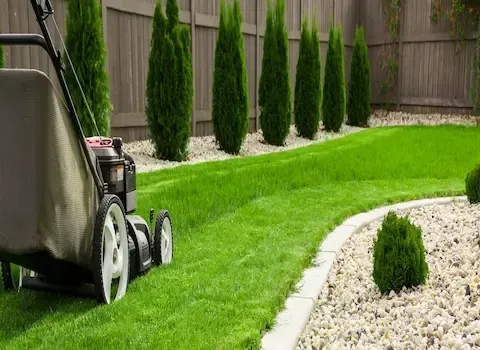
Mulch vs Bag Mowing for Davenport Iowa Lawn Health
Choosing between mulching and bagging your grass clippings affects lawn health, maintenance time, and seasonal results across Davenport's variable climate. Both approaches serve specific purposes depending on grass conditions, weather patterns, and your lawn care goals throughout Iowa's growing season.
Understanding Mulching vs Bagging Systems
Mulching mowers cut grass clippings into fine pieces that decompose quickly on the lawn surface, returning nutrients to the soil. The chopped clippings contain nitrogen, phosphorus, and potassium that feed your grass naturally. A quality mulching blade creates smaller pieces that break down within days under normal conditions.
Bagging systems collect all clippings for removal, leaving a clean appearance immediately after mowing. This approach prevents thatch buildup when conditions aren't favorable for decomposition and gives you control over what stays on your lawn surface. Professional Lawn Mowing services often adjust between methods based on seasonal conditions.
Each system requires different blade types and mower configurations. Mulching blades feature curved edges that create airflow to chop clippings multiple times before discharge. Bagging setups use standard blades with collection systems that capture clippings efficiently without recirculating them.
Seasonal Considerations for Quad Cities Lawns
Spring conditions in Davenport often favor bagging during the first few cuts when grass grows rapidly after winter dormancy. Cool, wet conditions slow decomposition, and thick spring growth can smother emerging grass if left as mulch. May and early June typically produce the heaviest clippings that benefit from removal.
Summer mulching works well when grass growth slows and temperatures increase decomposition rates. July and August heat breaks down clippings quickly while providing moisture retention during dry periods. However, drought-stressed grass produces less volume, making either approach viable.
Fall presents mixed conditions where early autumn mulching adds organic matter before winter, but late-season leaves mixed with clippings often require bagging to prevent matting. October through November weather in eastern Iowa can create conditions where wet clippings don't decompose before snow cover.
Winter preparations typically involve final cuts with bagging to ensure clean lawn surfaces heading into dormancy. Remaining clippings under snow can create fungal problems when spring temperatures return.
Grass Type and Growth Rate Factors
Cool-season grasses common in Davenport, including fescue, bluegrass, and ryegrass, respond differently to mulching versus bagging throughout their growth cycles. These varieties experience peak growth during spring and fall when temperatures range between 60-75 degrees, often producing heavy clippings that challenge decomposition rates.
Thick, lush lawns benefit from alternating approaches based on clipping volume. When grass height exceeds recommended cutting lengths, bagging prevents the shock of removing too much blade surface at once. Following proper lawn mowing standards helps determine when each method works best.
Newly seeded or overseeded areas require careful consideration since heavy clippings can block sunlight from reaching emerging seedlings. Bagging during establishment phases protects new grass development, while mature lawns handle mulched clippings without competition issues.
Soil Health and Nutrient Cycling
Mulched clippings provide approximately 25% of your lawn's nitrogen needs when decomposition occurs properly. This natural fertilizer reduces commercial fertilizer requirements while improving soil organic matter content. Clay soils common in the Davenport area benefit from increased organic matter that improves drainage and root development.
However, excessive mulching on compacted soils can create anaerobic conditions that promote thatch accumulation and disease development. Sandy soils drain better but may lose nutrients quickly without the slow-release benefits of decomposing clippings.
Bagging removes these nutrients entirely, requiring supplemental fertilization to maintain healthy growth. This approach gives you precise control over nutrient timing and application rates but increases input costs and environmental considerations.
Disease and Pest Management
Wet clippings left on lawns during humid Iowa summers can harbor fungal diseases like brown patch, dollar spot, and summer patch. Bagging during disease-prone periods removes potential infection sources while allowing better air circulation around grass crowns.
Mulching during dry conditions rarely creates disease pressure and may actually suppress some fungal issues by maintaining consistent soil moisture. The key involves matching the method to current weather patterns and lawn health status.
Insect considerations include whether clippings provide habitat for beneficial or harmful species. Decomposing organic matter supports earthworms and beneficial microorganisms while potentially harboring grub development areas during certain life cycles.
Equipment and Maintenance Considerations
Mulching mowers require sharper blades maintained more frequently since dull blades tear rather than cut cleanly, creating brown tips and poor decomposition. Blade sharpening every 20-25 hours of use maintains optimal performance for clean cuts.
Bagging systems need regular maintenance of collection bags, chutes, and discharge mechanisms. Wet clippings can clog systems while dry conditions create dust issues affecting engine air filters and operator comfort.
Mower deck design affects both mulching efficiency and bagging capacity. Deep decks with proper baffling improve mulching performance while adequate bag capacity reduces dumping frequency during heavy growth periods.
Professional vs DIY Implementation
Professional lawn services adjust methods weekly based on growth rates, weather conditions, and seasonal requirements. This flexibility ensures optimal results without homeowner guesswork about current conditions and equipment adjustments.
DIY approaches require understanding your specific grass type, soil conditions, and seasonal patterns to make appropriate method selections. Consistent observation of clipping decomposition rates helps determine when to switch between approaches.
Investment considerations include whether your current equipment handles both methods effectively or requires upgrades for optimal performance. Professional services eliminate equipment investment while providing expertise in method selection and timing.
