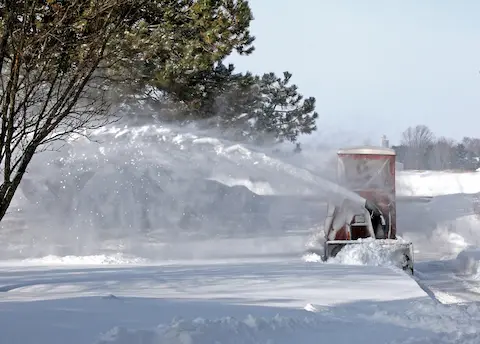
Early November Snow Setup for Davenport Iowa Homes
Most Davenport homeowners think about snow removal after the first flakes fall. By then, you're already behind. Early November is the window where a little preparation separates a manageable winter from a frustrating one. The Mississippi River corridor that defines the Quad Cities creates its own microclimate — lake-effect-adjacent moisture from the Great Lakes, combined with Alberta clippers pushing down from the northwest, means Davenport can see its first significant snowfall anywhere from late October through mid-November. Getting your property staged before that happens is not optional if you want your driveway, walkways, and parking areas to stay functional all season.
Understanding Davenport's Early Winter Weather Pattern
Scott County sits in a transitional zone where early-season storms are unpredictable in timing but consistent in arriving. The National Weather Service office out of the Quad Cities issues winter weather outlooks starting in late October, and it's worth bookmarking that forecast page as part of your November routine. Davenport's position along the river means temperatures can fluctuate several degrees compared to communities just ten miles inland, which affects whether early storms arrive as snow, sleet, or freezing rain.
Understanding this pattern matters for prep timing. A storm that produces three inches of powder in Rock Island might produce two inches of wet, heavy snow in Davenport's river neighborhoods, which is significantly harder to move. Getting your setup done by November 1st gives you a two-to-three week buffer before conditions typically become serious.
Driveway Stake Placement Done Right
Snow stakes are one of those details that seem minor until your plow service scrapes across your lawn or clips the edge of your concrete apron. Stakes mark where your driveway ends and your turf begins, which is critical information when visibility is low and a driver is moving through your property at 6 AM in the dark.
For standard Davenport residential driveways, place stakes every eight to ten feet along both edges. For curved or irregular drives, closer spacing — five to six feet — prevents the guesswork that causes damage. Stakes should be reflective and set at least eighteen inches deep so they don't shift when the ground freezes. Push them into the soil while it's still workable; once frost sets in, installation becomes much harder and you risk breaking them off at grade.
Mark any obstacles that aren't obvious: garden borders that extend to the pavement edge, utility boxes flush with the surface, and any low landscape lighting fixtures near the driveway. These are the items that get clipped every single winter by operators who simply couldn't see them under six inches of snow.
Salt and Ice Melt Staging Before the First Storm
Running to a big-box store for ice melt after the first storm warning hits is a Quad Cities tradition — and it's one you can avoid with a little early planning. Supply at local hardware and home improvement stores in Davenport depletes fast once a storm is in the forecast. By the first week of November, you should already have your ice melt supply purchased and staged.
For a standard residential property, fifty pounds of ice melt is enough for a single moderate storm event. Most homeowners are better served keeping one hundred to one hundred fifty pounds on hand at the start of the season. Store it in a sealed container — ice melt is hygroscopic, meaning it absorbs moisture from the air and can clump into a solid mass that won't spread properly if left in an open bag. A plastic storage bin with a tight lid in your garage keeps it workable all season.
Know what product you're buying. Calcium chloride works at lower temperatures, down to negative twenty-five degrees Fahrenheit, which matters during January and February cold snaps in Davenport. Sodium chloride is cheaper but loses effectiveness below fifteen degrees and can damage concrete over time. Magnesium chloride is a middle-ground option that's gentler on surfaces and vegetation. For early November storms, any of these work — but having calcium chloride on hand means you're covered when temperatures drop hard later in the season.
Monitoring Quad Cities Forecasts Effectively
Not every weather app gives you useful localized data for Davenport. The National Weather Service's Quad Cities forecast zone and the local television meteorologists who cover the region have a much better track record for storm timing and accumulation predictions than generic national apps. Set up weather alerts specifically for Scott County so you're not caught off guard by overnight storms.
The forty-eight-hour window before a forecasted storm is when your prep actions matter most. Pre-treating your driveway and walkways with a liquid de-icer or a thin layer of ice melt before snow begins to fall significantly reduces the bonding of ice to pavement. It also means you need less product during and after the storm. This is a technique used by commercial snow crews in the Quad Cities area and it works just as effectively at the residential scale.
Equipment Check Before Ground Freezes
Pull out your snow removal equipment in October or early November before you need it. Check that your snowblower starts, the auger turns freely, and the skid shoes are at the right height for your driveway surface. Concrete and asphalt have different clearance requirements, and scraping the auger housing across a concrete driveway all winter causes wear on both surfaces. If you use a service for Snow Removal, confirm your agreement is in place before November — most Davenport providers fill their route capacity early and late sign-ups may face limited availability or higher rates.
Shovels should also be inspected. Look for cracks in the blade and handle, and replace any shovel that shows stress fractures. An ergonomic shovel with a curved handle reduces back strain significantly, which matters when you're moving wet Iowa snow that can weigh fifty pounds per cubic foot. Keep one shovel staged near your front entry and one near your garage so you're not hunting for tools during a storm.
What Davenport Properties Need That Others Don't
Homes near the river and in older Davenport neighborhoods often have brick or paver walkways that require specific handling. Aggressive metal shoveling and certain chemical de-icers can damage grout and individual pavers over a season. If your property has these surfaces, use plastic shovel blades and stick to magnesium chloride or sand for traction rather than sodium chloride blends.
Corner lots and properties with sidewalk responsibility along city streets require additional staging. Davenport city code requires sidewalk clearing within a set number of hours after a storm ends — check current municipal requirements for your zone. Corner properties often have significantly more linear footage of sidewalk than interior lots, which means more salt consumption and more time clearing. For those situations, reviewing the snow removal manual before November is worth the time investment.
A Realistic November Prep Timeline
Here is a workable sequence for Davenport homeowners to follow before the month is out. In the first week of November, purchase and stage your ice melt supply, and install driveway stakes while the ground is still manageable. By the second week, test your snowblower, inspect shovels, and confirm your service agreement if you use a contractor. In the third week, set up your weather monitoring routine and identify where you'll push or pile accumulated snow without blocking drainage or neighboring properties. By the time a legitimate November snowstorm rolls into Scott County, everything is in place and you're reacting to the storm itself — not scrambling to find equipment and supplies after the fact.
Preparation at this level is not about being overly cautious. It's about respecting what Davenport winters actually deliver and making sure your property is ready to handle it from the first accumulation onward.
