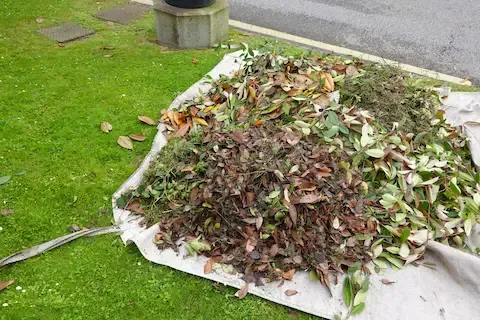
Debris Cleanup Handbook for Davenport Iowa Properties
Keeping a Davenport property clean of debris is a year-round responsibility that shifts in priority with every season. From the windstorm that drops oak limbs across your lawn in July to the mountain of leaves that buries your turf every November, debris accumulates faster than most homeowners expect. The Mississippi River corridor climate adds its own complications — wet springs, hot humid summers, and unpredictable fall wind events mean that debris cleanup in Davenport, Iowa is rarely a simple one-time chore. This handbook walks through every major aspect of debris management so you can approach the work strategically rather than reactively.
Why Debris Removal Matters More Than Most Homeowners Realize
Leaving debris on a lawn for extended periods creates a chain of problems that goes well beyond appearances. Matted leaves block sunlight and trap moisture against the grass, creating ideal conditions for fungal disease. Branches and sticks left across turf interfere with mowing and can launch dangerous projectiles if run over by a mower blade. Brush piles become harborage for rodents, especially during Davenport's colder months when field mice and voles seek shelter before the first hard freeze.
There is also a compaction problem. When layers of wet leaves sit on Kentucky bluegrass or fescue for weeks, the constant moisture and physical weight compress the soil underneath. By the time you rake or blow the debris away, you may find yellowed or dead patches that require overseeding to recover. In neighborhoods along Locust Street, Eastern Avenue, and the Riverdale Road corridor, where mature trees are abundant, this kind of turf damage is common every single fall.
Debris also clogs drainage swales and curb gutters, contributing to localized flooding during heavy rain events — something Davenport residents know well given the city's history with flood-related water management challenges near the riverfront.
Types of Debris Commonly Found on Davenport Properties
Not all debris is the same, and understanding what you are dealing with helps you prioritize and plan the right removal method.
- Leaf debris: The most volume-intensive type, primarily from oak, maple, and elm trees throughout Davenport. Oak leaves are particularly slow to decompose and mat heavily when wet.
- Branch and limb debris: Generated by storms, high winds, ice loading, and natural tree aging. Branches range from small twigs to heavy limbs that require cutting before hauling.
- Storm debris: A composite category that includes broken fence sections, displaced mulch, scattered gravel, and anything a severe Quad Cities thunderstorm can relocate across a yard.
- Construction debris: Common during renovation seasons, including lumber offcuts, packaging materials, and soil piles left by contractors.
- Garden and bed debris: Dead annuals, pulled perennials, spent vegetable plants, and the remnants of summer container plantings that need clearing before winter or spring planting.
Each type calls for a slightly different approach to collection, sorting, and disposal — and not all of it is accepted in the same way by Davenport's municipal pickup programs.
Seasonal Cleanup Windows Specific to Davenport
Timing your debris work to Davenport's actual seasons rather than a generic calendar makes the effort more efficient and reduces the likelihood of having to redo work.
Spring cleanup typically runs from late March through mid-May, depending on frost dates. This window involves clearing the remnants of winter — matted leaf piles that missed fall collection, broken twigs from ice storms, dead ornamental grass stalks, and the general disorder that accumulates under snow cover. The window is narrow because the grass begins active growth early, and you want beds and turf clear before mowing season starts in earnest.
Summer storm response is more reactive than scheduled. Davenport sits squarely in a corridor that receives strong thunderstorm activity from May through September. After significant storms, properties along Brady Street, Kimberly Road, and the Duck Creek Parkway area often face branch and limb cleanup that needs to happen quickly to prevent turf damage and safety hazards.
Fall cleanup is the most demanding window. Leaf drop from Davenport's large urban tree canopy creates substantial volume, and most homeowners need multiple passes rather than one single cleanup day. The city's curbside yard waste pickup schedule matters here — coordinating your collection timing with the city's collection calendar prevents debris from sitting at the curb for extended periods.
Late fall and pre-winter closing involves final bed clearing, removal of annual plant material, and cutting back perennials before the ground freezes. This work is often underestimated and left incomplete, which creates extra work the following spring.
Hauling and Disposal Logistics in Davenport
One of the most practical challenges in debris cleanup is figuring out what to do with the material once it is collected. Volume accumulates quickly, and most residential trash service is not set up to handle large loads of yard debris.
Davenport offers a curbside yard waste program for bagged leaf and organic debris, but it operates seasonally with specific dates and bag requirements. Loose piles or non-approved containers may not be collected. For larger volumes — especially after storm cleanup — residents have the option of using the city's yard waste drop-off site, which accepts brush and organic material during operating hours.
For heavy branch debris or mixed storm loads that include non-organic material, hauling to a licensed disposal facility or scheduling a private haul-away service is often the most efficient path. Some debris, like clean wood from limb removal, can be chipped into mulch on-site if the volume justifies renting a chipper or hiring a crew with equipment.
Burning debris is regulated in Davenport, and open burning of yard waste is generally prohibited within city limits. If you are on a larger rural-adjacent property in the western Scott County area, check current county ordinances before assuming burning is an option.
Branch and Limb Removal Considerations
Branch debris that results from storm damage or routine tree maintenance requires more physical effort and planning than leaf cleanup. Larger limbs need to be cut into manageable sections before loading, which requires the right equipment and an understanding of what you can safely handle.
For branches under three inches in diameter, standard loppers or a handsaw are sufficient for most homeowners. Anything larger — especially limbs with significant weight or limbs that fell from height and may have embedded tension — should be approached carefully. Cutting a log under stored tension can cause the saw to bind or the wood to kick unexpectedly.
If the debris originated from a damaged tree that still has compromised limbs overhead, cleanup work should be paused until the tree itself is assessed by an arborist. Working under a damaged canopy adds real risk, particularly after ice storms or tornado-adjacent wind events that are not uncommon in the Quad Cities region.
For larger branch cleanup projects, professional Debris Cleanup services have the equipment and labor capacity to handle high volumes efficiently — including loading, hauling, and proper disposal — which saves significant time and physical effort on larger properties.
Common Mistakes Davenport Homeowners Make with Debris Cleanup
Even well-intentioned cleanup efforts can create problems when approached without a clear plan. Here are the most frequent missteps seen on Davenport properties.
- Waiting too long in fall: Delaying leaf cleanup past mid-November means working in cold, wet conditions, and often missing curbside pickup windows. Wet matted leaves are also significantly heavier and harder to bag or blow than dry ones collected in October.
- Piling debris near the foundation: Mulching or piling debris against a home's foundation creates moisture retention and pest harborage issues. Keep debris piles and staging areas away from structures.
- Ignoring bed debris: Focusing only on turf and forgetting to clear annual beds and vegetable gardens leaves disease-harboring organic matter in place over winter.
- Using undersized equipment for large volumes: A standard consumer leaf blower is not adequate for a property with multiple mature trees. Matching equipment to volume avoids frustration and incomplete results.
- Skipping the spring walk-through: Many homeowners focus heavily on fall and neglect spring cleanup, which means turf goes into growing season under stress from uncleared winter debris.
Preparing for Davenport's Storm Season
Proactive preparation reduces the cleanup burden after major storm events. Before peak storm season — roughly May through August in Scott County — a few steps make a meaningful difference.
Have mature trees professionally assessed for dead wood and weak branch attachments. A certified arborist can identify limbs likely to fail under wind or ice loading and remove them before they become storm debris. This is particularly relevant for older oak and silver maple trees, which are common throughout established Davenport neighborhoods like Bettendorf-adjacent areas and the historic districts near the riverfront.
Keep gutters and drainage swales clear of accumulated organic debris so that storm runoff moves efficiently. A clogged gutter during a heavy rain event adds water intrusion risk on top of whatever debris the storm generates. Keeping a few extra heavy-duty debris bags on hand means you can start collection immediately after a storm rather than waiting for a supply run.
Reviewing your property after a storm with a systematic approach — perimeter first, then beds, then turf — helps you prioritize what needs immediate attention versus what can wait for scheduled cleanup. For perspective on how edge zones and trimmed areas hold up after storms and affect cleanup scope, the edging and trimming playbook covers how well-maintained borders reduce debris accumulation along hardscape edges.
Making Debris Cleanup Part of a Consistent Property Plan
The most effective approach to debris management is treating it as an ongoing maintenance task rather than an emergency response. Properties that have a scheduled spring cleanup, a mid-season check after peak storm activity, and a thorough fall cleanup before the ground freezes stay significantly ahead of the problems that plague neglected yards.
In Davenport, where mature tree cover is dense in many neighborhoods and weather patterns are genuinely variable, that consistency pays off in turf health, curb appeal, and reduced long-term repair costs. Whether you are managing cleanup yourself or working with a service, understanding the full scope of what debris removal involves — collection, sorting, hauling, disposal, and timing — puts you in a much stronger position to keep your property in good condition through every season the Quad Cities delivers.
