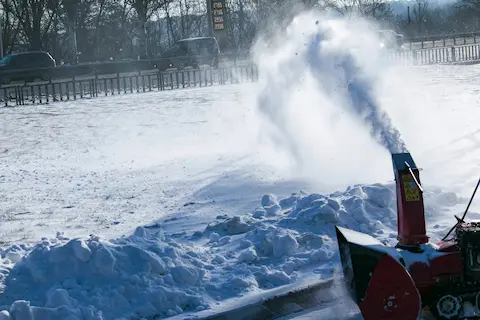
Pre Storm Driveway Setup for Davenport Iowa Homeowners
Davenport winters along the Mississippi River corridor can shift from a cold drizzle to a full blizzard in under six hours. When that happens, the homeowners who prepared their driveways before the storm hits spend far less time digging out afterward — and avoid the kind of damage that turns a simple snowstorm into a costly repair job in the spring. A few focused steps taken the evening before a storm, or even the weekend before the season begins, can make a significant difference in how your driveway holds up and how quickly you can clear it after the snow stops falling.
Why Pre-Storm Prep Matters More in the Quad Cities
Davenport sits in a weather zone where lake-effect moisture from the Great Lakes mixes with cold Canadian air pushing down from the northwest. The result is unpredictable precipitation — sometimes fluffy and light, sometimes dense and wet, and often layered. That last type is the most problematic. When wet snow falls on top of a hard, icy base that formed earlier in the storm, clearing equipment struggles and foot traffic compresses the layers into solid pack. Getting ahead of that cycle is the entire point of pre-storm preparation.
The Scott County area also experiences a fair share of freeze-thaw cycles throughout November, December, and February. If your driveway surface already has minor cracks or spalling from previous seasons, those weak points become entry points for water. That water freezes, expands, and turns a small crack into a much larger one. Addressing the surface before temperatures drop is not just about snow removal — it is about protecting the concrete or asphalt itself.
Mark Your Edges Before the First Snowfall
One of the simplest and most useful things you can do before any Davenport storm is install driveway marker stakes along both edges of your driveway and at any buried features like irrigation heads, low landscaping borders, or transitions between pavement and lawn. Marker stakes are inexpensive orange or yellow fiberglass rods that tell a plow operator, a snow blower, or even yourself where the pavement ends and the turf begins.
Without stakes, it is easy to push a blower into a flower bed border or have a plow blade clip a curb stop you forgot was there. The resulting damage — gouged asphalt, bent edging, ruined landscaping — is entirely preventable. Push stakes into the soil at roughly ten-foot intervals along each side. Install them at a slight outward angle so they are visible even when partially buried by the first pass of a plow.
If you have hired a Driveway Snow Clearing service for the winter, marking your edges ahead of the first storm also protects you from disputes about turf damage and helps the crew work faster on your property.
Surface Treatments to Apply Before the Storm Arrives
Pre-treating your driveway surface is a step most Davenport homeowners skip, but it is one of the most effective tools in the pre-storm toolkit. The goal is to prevent ice from bonding tightly to the pavement, which makes post-storm removal significantly easier.
Liquid de-icers — often sold as brine or pre-wetting agents — can be applied with a simple pump sprayer. They do not melt snow, but they interrupt the bond between ice and pavement. When you return to clear the driveway after the storm, you are lifting snow off a treated surface rather than chipping ice off bare concrete. Rock salt applied dry before a storm is less effective because it tends to blow away or get pushed aside before bonding moisture activates it. Liquid applications stay put.
For Davenport driveways made of concrete, be selective about which products you use. Sodium chloride and calcium chloride at high concentrations can accelerate surface spalling on older concrete. Magnesium chloride or potassium chloride products are gentler and still effective in the temperature ranges Davenport typically sees between December and March.
Clear the Driveway Before the Storm, Not Just After
If you have any accumulation from a previous storm — even an inch or two of old, compacted snow — remove it before the new storm arrives. Clearing old snow from the surface gives new snow fewer inches to compress against and makes the total clearing job shorter and easier. This is especially relevant for homeowners along the Western Illinois border who may see multiple storm systems stack within a week of each other during active weather patterns.
Check your equipment before each storm as well. Confirm that your snow blower starts, that the shear pins are intact, and that the auger moves freely. If you use a shovel, make sure the blade is not cracked and the handle is solid. Equipment failures in the middle of a clearing job in single-digit temperatures are miserable and sometimes dangerous. A five-minute check before the storm is a reasonable investment.
Adjust Your Parking Before the Storm Begins
Where you park your vehicles in the hours before a storm significantly affects how well your driveway can be cleared afterward. Cars left in the driveway during a storm create irregularly shaped cleared areas that leave packed paths under where tires sat. Those packed channels are difficult to remove and often melt unevenly, creating ice hazards later.
If you have garage space, use it before the storm. If you have multiple vehicles and limited covered parking, try to stage vehicles so at least the main driveway apron and approach to the street are fully clear. The city of Davenport also has parking rules during declared snow emergencies that restrict on-street parking on certain routes. Knowing those rules before the storm means you are not scrambling to move vehicles at two in the morning.
Post-Storm Readiness Starts the Night Before
Reviewing the forecast the evening before an expected storm is not overthinking — it is practical. The National Weather Service office serving the Quad Cities region publishes winter storm watches, warnings, and advisories that indicate expected snow totals, timing, and temperature ranges. Knowing whether you are preparing for six inches of light powder or four inches of wet, heavy snow changes your approach. Wet snow is heavier and harder on equipment; you may want to clear in multiple passes rather than trying to move it all at once.
Reviewing our driveway clearing manual before the season starts is a useful exercise for understanding the right technique for different snow types and the right order of operations for your specific driveway configuration.
A Small Investment of Time Before the Storm Pays Off After It
Pre-storm driveway preparation in Davenport is not complicated. Install marker stakes before the season begins, pre-treat the surface with an appropriate liquid de-icer before each storm, clear existing accumulation before new snow arrives, and adjust your parking to keep the surface accessible. These habits reduce clearing time, protect your pavement through the freeze-thaw cycles common to the Iowa-Illinois border region, and make every winter storm easier to manage from start to finish.
