Storm Branch Cleanup for Davenport Iowa Summer Yards
Summer thunderstorms roll through the Quad Cities with little warning, and Davenport yards often bear the brunt. Whether it is a fast-moving line of storms or a prolonged evening downpour, the aftermath typically includes downed branches, scattered debris, and limbs wedged into fence lines or garden beds. Knowing how to work through the cleanup efficiently saves time, reduces lawn damage, and helps you stay on the right side of the city's curbside pickup schedule.
Start With a Safety Walk Before You Touch Anything
Before you drag a single branch to the curb, walk the entire property with fresh eyes. Look up as much as you look down. Branches hanging from a compromised crotch or caught in a canopy can fall without warning when disturbed by movement below. These are called widow-makers for a reason, and they show up regularly after the kind of storm systems that track along the I-80 corridor into Davenport.
Check fence lines, the roofline of your garage, utility lines near the rear of your lot, and any branches resting against the house. If a limb is in contact with a power line, do not approach it. Call MidAmerican Energy and keep everyone clear until the situation is assessed. Only after you are satisfied the yard is genuinely safe should you begin physical cleanup work.
Sort Your Debris Before You Start Moving It
Random piling wastes effort. The most efficient approach is to sort as you go, because Davenport's curbside organic waste program and standard garbage pickup handle different materials in different ways. When you move everything into one heap, you often end up sorting it twice.
Work with three categories from the start. Woody debris — branches, limbs, and trunk sections — should be separated from leafy material and loose organic matter like torn bark and seed pods. Small twigs and leaves can often go into yard waste bags or your compost system, depending on volume. Large limbs, particularly anything over four inches in diameter, may require separate handling entirely and will not fit into standard curbside containers.
For major cleanup after a significant storm, bundling branches into manageable lengths with twine and stacking them neatly at the curb is generally required under Davenport's yard waste guidelines. Check current city collection schedules because storm debris pickup windows can shift, especially when multiple neighborhoods are affected at the same time.
Working Outward From the House
The practical sequencing that works best for most Davenport residential lots is to start at the structure and work outward. Clear the area immediately around the foundation first, then move to walkways, driveways, and the patio or deck. These zones affect daily movement and present the most trip hazards, especially if the storm came through in the evening and you are dealing with cleanup in the morning before work.
Once the hardscape areas are clear, move to the lawn. Walk the yard in overlapping passes rather than grabbing whatever is closest. This is faster and ensures you do not miss debris pressed flat against the turf. Pay particular attention to areas under mature trees, which tend to drop more material and in heavier concentrations.
If you have a garden or raised bed area, handle those sections carefully. Branches pushed into soft soil can displace root systems and disturb mulch layers in ways that are not obvious on the surface.
Tools That Make the Work Faster
A good pair of bypass loppers handles the majority of branch cutting needed for typical storm cleanup. For anything under two inches in diameter, loppers are faster than a saw and require less setup. A bow saw covers mid-sized limbs cleanly without the noise and fuel demands of a chainsaw. Keep both sharp going into storm season.
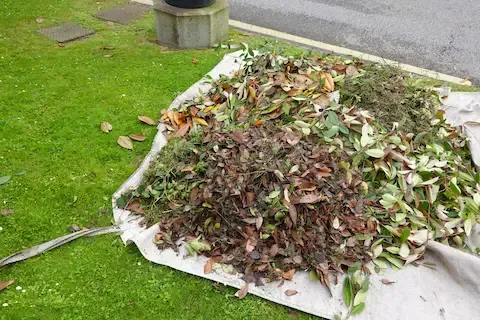
Tarps are underused in this kind of work. Dragging a loaded tarp across the lawn is far faster than carrying armloads of debris to the curb multiple times. One tarp, a few passes, and you have a manageable pile at the road instead of ten trips through the same gate. Gloves, eye protection, and closed-toe boots are non-negotiable — storm debris carries hidden hazards including broken glass, wasp nests disturbed during the storm, and sharp stub ends hidden under leaf cover.
When the Volume Exceeds a DIY Threshold
A minor storm might leave you with an hour of work. A significant system that pushes through the Quad Cities during peak growing season can leave behind a genuinely overwhelming amount of material — multiple large limbs, uprooted shrubs, and debris distributed across the full depth of the lot. There is a practical threshold beyond which doing it yourself starts to cost more in time, physical effort, and potential injury risk than it is worth.
If you have large limbs down near the house, branches requiring chainsaw work, or material that simply exceeds what you can move and stage safely before the next scheduled pickup window, professional help is the right call. Debris Cleanup services in Davenport are equipped to handle post-storm volumes efficiently, with the tools and crew to clear, haul, and dispose of material that would take a homeowner a full weekend to manage alone.
Lawn Recovery After Debris Is Cleared
Once the visible debris is gone, the lawn itself needs attention. Branches sitting on turf for even a day or two can leave dead patches, especially in July and August when grass is already under heat stress. Rake out any compressed leaf material and check for soil displacement where heavier limbs landed. If the root zone of a lawn area has been disturbed, light raking and overseeding may be necessary later in the season.
Standing water in low spots after a storm can linger and create fungal problems in grass that is already stressed. If your yard has drainage issues that storm events consistently expose, that is worth addressing before the next system rolls through. The debris cleanup handbook covers follow-up lawn care steps that pair well with post-storm recovery in Davenport's climate.
Building a Better Routine for Storm Season
Davenport typically sees its most active storm period from late May through August, with isolated significant events possible into September. Getting ahead of cleanup means having the right tools staged and knowing your city's current collection schedule before a storm hits, not after. A single afternoon of preparation — tools organized, tarps accessible, pickup dates confirmed — can cut your post-storm recovery time significantly when the next line of thunderstorms moves through Scott County.
