
Full-Season Lawn Care and Snow Removal for Clinton Properties Along the Mississippi
River Corridor Conditions That Shape Clinton Lawns
Residential properties throughout Clinton sit along a stretch of the Mississippi River where the full width of the channel creates humidity patterns and wind exposure that directly affect turf health and winter maintenance demands. Homes across the Lyons area and through neighborhoods near Eagle Point Park feature established lots with mature tree canopy and older turf stands that have been growing in Clinton County soils for decades. Those soils — silty clay loams typical of the Mississippi floodplain corridor — hold moisture effectively during the growing season but compact under traffic and equipment weight, reducing the air exchange that grass roots need to stay vigorous. Properties on tree-lined streets through the Tower Heights and Springdale Heights neighborhoods generate heavy leaf loads each autumn, and the organic debris that accumulates in gutters, beds, and along fence lines creates maintenance demand that extends well beyond simple mowing. Lawns that receive consistent attention through the growing season — proper cut height, regular edging, timely seasonal cleanup — build the density and root strength needed to survive the transition into winter without significant die-off. Properties that fall behind on any of those fundamentals enter dormancy weakened, and the damage compounds under months of snow cover, salt exposure, and freeze-thaw stress that Clinton's location on the eastern edge of Iowa reliably delivers.
Clearing Clinton Driveways and Walks Through Iowa Winters
Winter hits Clinton with the combined effects of river-corridor wind and standard Iowa snowfall totals, creating conditions where snow clearing and ice management cannot be treated as occasional tasks. Wind off the Mississippi pushes snow horizontally, building drifts against north and east-facing structures that far exceed the measured accumulation from the storm itself. Properties in the Lyons district and along the riverfront face this drift effect most severely, with garage doors, entryways, and walkways buried under wind-packed snow that requires more aggressive clearing than loose powder. Sidewalk responsibilities cover every foot of property frontage, and the older grid-pattern streets through much of Clinton mean that corner properties carry obligations on two full sides. De-icing after clearing is not optional — the temperature profile through Clinton's winter months includes enough thaw-refreeze cycling to turn any untreated surface into a liability within hours of the initial clearing pass. The same river proximity that drives humidity in summer moderates winter temperatures just enough to create more melt-and-refreeze events than inland locations, making proactive ice management a constant requirement rather than a response to occasional cold snaps. Spring recovery in Clinton follows the same pattern as the rest of the region but with added attention to salt damage along walks and drive edges, snow mold in shaded areas where pack lingered longest, and debris deposited by the winter wind patterns unique to this stretch of the river.
Clinton Lawn Mowing and Turf Management
Mowing across Clinton properties manages the growth patterns that river-corridor soils and climate produce. The silty clay loams found throughout Clinton County support strong cool-season grass growth when moisture is adequate, but they also create conditions where mowing timing matters more than in sandier soils — cutting wet clay-based turf tears rather than cuts grass blades, leaves ruts from equipment wheels, and compresses the soil surface in ways that take weeks to recover. Scheduling mowing around soil moisture conditions is essential, particularly during the wet springs that the Mississippi corridor frequently delivers. During normal growth windows, weekly mowing keeps turf at the target three to three-and-a-half-inch height without removing more than a third of the blade per pass. Properties with mature canopy through Tower Heights and the neighborhoods surrounding Bickelhaupt Arboretum require shade-adjusted management where mowing height increases under heavy tree cover to compensate for reduced light reaching the grass. Edging along Clinton's older sidewalks — many of which feature settled sections and uneven joints — requires careful blade positioning to cut clean lines without catching on raised panels. Trimming handles the areas mowers cannot reach: around posts, foundations, retaining walls, and bed borders where grass grows unchecked without regular attention. Every pass includes clipping redistribution that feeds nutrients back to the soil.
Snow and Ice Clearing for Clinton Properties
Snow removal in Clinton contends with accumulation patterns shaped by the open river exposure and wind corridors that channel through the city's street grid. Properties facing north and east catch the worst of wind-driven snowfall, with drifts forming against garage doors, fences, and entryways that can double the effective depth of what the storm actually dropped. Clearing those drift zones requires operators who recognize the difference between loose accumulation and wind-packed material that resists a single plowing pass. Truck-mounted plows with adjustable blade angles handle driveways and parking areas, while walk-behind blowers clear sidewalks without the surface damage that heavy equipment causes on older concrete. Hand shoveling addresses steps, stoops, and entryways where precision and care around railings and decorative elements prevent property damage. De-icing product selection in Clinton follows the same temperature-driven protocol used across the service area: rock salt for moderate cold above 15 degrees, calcium chloride blends for the deep-cold events that Iowa winters deliver regularly, and alternative formulations for new or sensitive concrete surfaces. Timing de-icing to follow immediately after clearing prevents the meltwater-refreeze cycle that creates black ice conditions. Properties on corner lots receive full sidewalk treatment on both frontages, ensuring compliance with clearance expectations and maintaining safe pedestrian passage through the neighborhood.
Year-Round Property Transitions in Clinton
Seasonal property care in Clinton bridges the gap between the active growing season and winter dormancy with work that protects the investment on both sides of the transition. Fall cleanup in Clinton generates substantial debris volumes from the mature hardwood canopy that lines residential streets throughout the city — oaks, maples, and elms drop leaves over a six-week window that begins in early October and extends past Thanksgiving for the latest species. Clearing those leaves before they mat down under moisture or early snow is the single most important fall maintenance task because matted organic material suffocates turf, creates ideal conditions for snow mold, and delays spring green-up by weeks. Full fall service includes leaf collection, gutter clearing, perennial cutback, bed cleanup, and a final mow at dormancy height to leave the turf prepared for winter without exposed crowns. Spring cleanup in Clinton assesses what winter inflicted and addresses it systematically: debris removal first, then dethatching where matted grass blocks new growth, followed by edge restoration along all hardscapes. Salt damage shows up as brown strips along driveways and sidewalks and gets flagged for overseeding during the spring germination window. Properties that handle both transitions as planned maintenance events rather than afterthoughts build lawn health that compounds season over season and reduces reactive emergency work.
Comprehensive Lawn Care And Snow Removal Services in Davenport
Tailored to Your Needs
From weekly mowing and seasonal cleanups to snow plowing and de-icing, we handle every aspect of outdoor property maintenance for Davenport homes and businesses. Each service is built around the specific demands of the Quad Cities climate, from the clay-heavy soils that affect turf health to the 33-plus inches of annual snowfall that require reliable winter clearing.
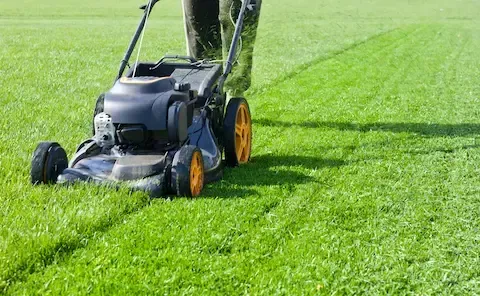
Weekly mowing tuned to Davenport growing conditions and proper cutting heights for cool-season turf.
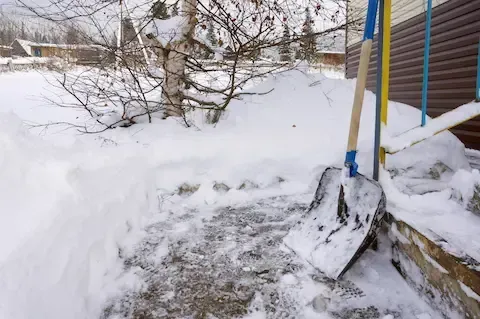
Steps, porches, and doorways cleared and de-iced so you can walk safely to and from your home.
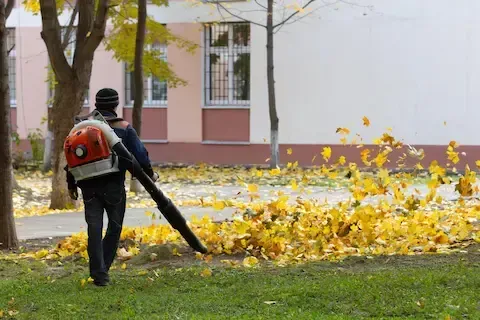
Complete leaf removal and property prep so your lawn survives the Iowa winter in the best shape possible.

Post-winter recovery service that clears debris, dethatches turf, and gets your lawn ready for the growing season.
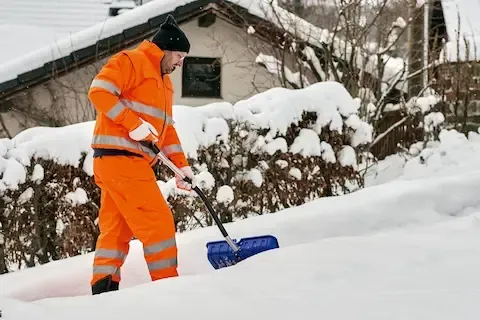
Reliable snow removal for Davenport homes and businesses with crews ready before the storm hits.
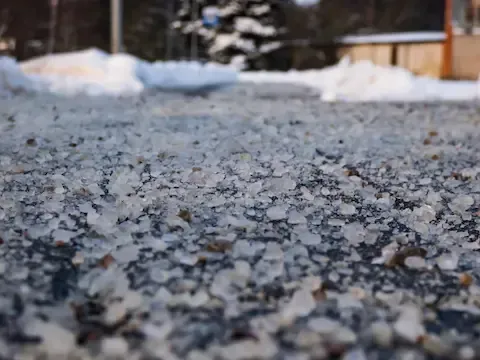
Temperature-matched de-icing that keeps walks, drives, and parking areas safe through Quad Cities winter conditions.
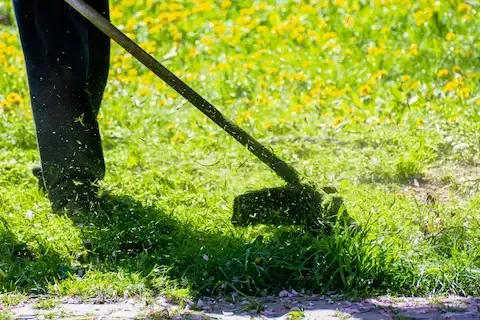
Sharp edges and clean trim lines along every surface for a polished, finished look across your property.
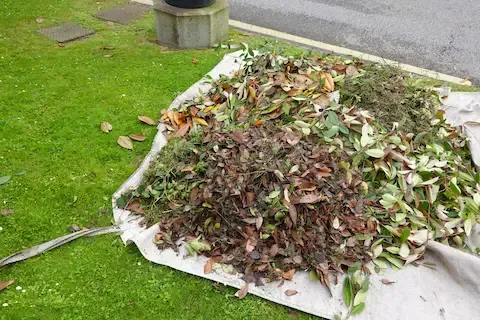
Fast removal of storm debris, fallen branches, and accumulated yard waste to keep your property clean and safe.
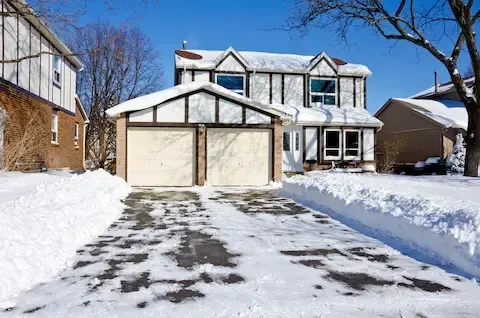
Surface-safe driveway clearing that gets you out of your garage and on the road before your morning commute.
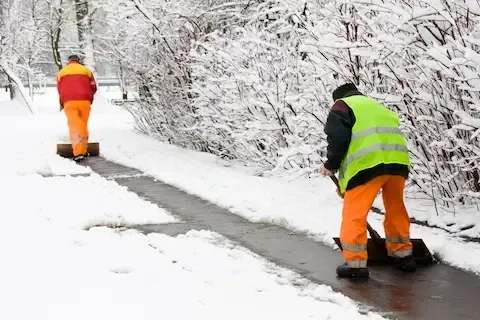
Fast sidewalk clearing with de-icing to keep you compliant with Davenport municipal code requirements.
Frequently Asked Questions
Lawn Care And Snow Removal can be complex, and we’re here to provide answers to common questions. Here are some frequently asked questions from our clients.
Frequently Asked Questions about Lawn Care And Snow Removal Davenport IA
How often should I mow my lawn in Davenport?
During peak growing season from May through September, most Davenport lawns need mowing every 7 to 10 days. Cool-season grasses like Kentucky bluegrass grow fastest in spring and fall when temperatures stay between 60 and 75 degrees. We adjust our mowing schedule based on rainfall patterns and growth rates so your lawn stays at the right height without removing more than one-third of the blade at a time.
When does snow removal season start in Davenport?
Snow removal season in the Quad Cities typically runs from late November through mid-March, though early storms can hit Eastern Iowa as soon as October. We monitor weather forecasts closely and activate our crews when accumulation reaches two inches or more. Our team stays on call throughout the winter months so your property is cleared before the morning commute.
Do you offer year-round lawn and snow packages?
Yes, we offer combined lawn care and snow removal packages that cover your property from the first spring cleanup through the last winter storm. Bundling both services gives you priority scheduling, consistent crew familiarity with your property, and a single point of contact for all your outdoor maintenance needs throughout the year.
What areas around Davenport do you serve?
We serve Davenport and the surrounding Quad Cities area including Bettendorf, Moline, Rock Island, Muscatine, and Clinton. Our crews are familiar with the specific soil conditions, municipal codes, and weather patterns across Scott County and the greater Mississippi River corridor. We handle both residential and commercial properties throughout our service territory.
How quickly do you respond after a snowfall?
Our crews begin clearing snow once accumulation reaches two inches, and we work to have residential properties cleared within a few hours of snowfall ending. For commercial accounts, we offer priority response with crews dispatched during the storm to keep parking lots and walkways accessible. Davenport requires sidewalks cleared within 10 hours after snowfall stops, and we make sure our clients stay in compliance.
What happens to my lawn after a harsh Iowa winter?
Iowa winters can leave lawns dealing with snow mold, salt damage along walkways, compacted soil from freeze-thaw cycles, and matted dead grass. Our spring cleanup service addresses all of these issues with thorough debris removal, dethatching where needed, and an assessment of any bare spots that may need overseeding. Getting on top of winter damage early gives your lawn the best chance to recover before summer heat arrives.
Need Lawn Care And Snow Removal?
What Our Satisfied Clients Have to Say About Davenport Lawn and Snow
We pride ourselves on delivering great results and experiences for each client. Hear directly from home and business owners who’ve trusted us with their Lawn Care And Snow Removal needs.

We switched to a year-round package and it has been the best decision. The lawn looks better than ever and we never worry about snow piling up. They always show up on time and the crew is professional every visit.
Sarah M., Davenport
After a big ice storm last winter, they had our driveway and sidewalks cleared before we even woke up. The spring cleanup crew did a great job getting our yard back in shape too. Solid service all around.
Tom R., Bettendorf
Finally found a company that handles everything. The mowing is consistent and the snow clearing is fast. Having one team that knows our property year-round makes a real difference compared to juggling different contractors.
Linda K., Rock Island
The Trusted Lawn Care And Snow Removal Expert Near You
Ready to hear more about expert services at Davenport Lawn and Snow?
Contact us today to receive a detailed, no-obligation quote.

Serving Davenport and the neighboring cities
24/7
