
Lawn Care and Snow Removal for Muscatine Homes Sitting on Bluffs and River Bends
Bluff-Top and Valley Properties Need Different Care
Residential lots across Muscatine occupy a landscape defined by the dramatic bend in the Mississippi River, with properties spread across bluff tops, hillside slopes, and lower valley floors that each present distinct lawn care realities. Homes in the West Hill neighborhood and along the bluffs sit on terrain where gravity, sun exposure, and wind create growing conditions that differ sharply from lots just a few blocks away at lower elevations. Bluff-top properties lose soil moisture faster due to wind exposure and slope drainage, meaning turf stress shows up earlier during dry stretches and recovery after dormancy takes longer without proactive care. Valley-floor properties near Downtown and the South End deal with the opposite problem — heavier moisture retention in clay soils that stays saturated longer after rain events, promoting fungal pressure and making mowing timing critical to avoid compacting already-wet ground. Mature trees throughout the Fair Oaks neighborhood and around Weed Park add canopy-related challenges where shade-adapted grass requires different cut heights and maintenance expectations than open-sun sections of the same lot. The combination of terrain variety and river-influenced humidity means that a single mowing approach applied across all Muscatine properties misses what individual lots actually need to stay healthy through the growing season.
Snow and Ice Management on Muscatine's Hills
Winter brings its own set of challenges to Muscatine properties, and the same terrain features that shape summer lawn care amplify snow and ice management demands. Driveways climbing hillside lots in the Hilltop and East Hill areas become treacherous when snow accumulates on grade, and clearing those slopes requires equipment operators who understand how angle, speed, and blade position interact with inclined surfaces. Flat-section properties near the river corridor face different conditions: snow driven by wind off the open water stacks against structures and compacts into dense layers that resist simple plowing. Sidewalk obligations run along every property frontage, and the mixed terrain means that some walks sit level while others pitch enough to create genuine hazard when ice forms. De-icing on sloped walkways demands heavier treatment because gravity pulls meltwater to low points where it refreezes overnight, creating the slip conditions that cause the most injuries. The freeze-thaw cycling along the Mississippi corridor through Muscatine is particularly aggressive, with temperature swings between daytime thaw and overnight refreeze happening multiple times per week through the core winter months. Properties that handle clearing and de-icing as a single integrated process rather than separate tasks maintain safer surfaces and reduce the cumulative damage that repeated ice bonding inflicts on concrete and asphalt.
Muscatine Lawn Mowing Across Every Terrain Type
Mowing in Muscatine covers the full range of terrain conditions that the river-bend landscape produces. Bluff-top lots require mowers capable of handling grade changes safely while maintaining consistent cut height across slopes — uneven cutting on hillside lawns creates visible striping that highlights every terrain variation rather than presenting a uniform surface. Properties on the valley floor grow differently: the heavier moisture retention in lower-elevation soils supports faster, denser growth that may need more frequent cutting during peak spring and fall windows. Mowing height for the cool-season blends common across Muscatine sits in the three to three-and-a-half-inch range, a height that balances root depth development against weed suppression and moisture retention. Properties with significant tree coverage around Weed Park and through Fair Oaks require shade-aware management where turf under canopy gets cut slightly higher than open sections to compensate for reduced photosynthesis. Edging work keeps the definition sharp along driveways, sidewalks, patios, and bed borders — in Muscatine's clay soils, grass runners spread aggressively into any undefended hard surface. Trimming around obstacles like fence posts, light standards, mailboxes, and retaining walls completes each visit. The mulch-back approach returns clippings to the lawn as organic matter, feeding the soil biology that supports turf health without generating bag waste.
Hillside and Flatland Snow Removal in Muscatine
Snow removal across Muscatine accounts for the steep driveways and graded sidewalks that define much of the housing stock along the bluffs and hillside neighborhoods. Plow operators working on inclined surfaces need to manage blade contact pressure carefully — too heavy on a downhill run gouges the surface and strips turf at driveway edges, while too light leaves a packed layer that bonds to concrete and becomes an ice sheet by the following morning. Properties on flatter ground near the river corridor experience different accumulation patterns: wind-driven snow off the Mississippi stacks against east-facing surfaces and fills sheltered areas between structures. Clearing those drift zones sometimes requires equipment repositioning and multiple passes that a straightforward flat-lot clearing would not need. Sidewalk maintenance runs the full length of every property frontage, with hand shoveling on steps and entryways and walk-behind blowers on standard sections. De-icing follows every clearing event with product choices driven by actual surface temperature. The Muscatine area regularly sees overnight lows below 15 degrees from December through February, pushing standard rock salt past its effective range and requiring calcium chloride or magnesium chloride blends to maintain reliable melting. Properties with newer concrete or decorative pavers receive adjusted products to minimize spalling risk during the first year of curing.
Seasonal Property Care for Muscatine Homes
Seasonal transitions on Muscatine properties demand attention to the specific damage patterns that the terrain and climate produce. Fall cleanup across hillside lots involves managing leaf accumulation that washes downslope during rain events, concentrating organic debris in low spots and against retaining walls where it mats quickly and kills turf underneath. Bluff-top properties lose leaves to wind but accumulate debris from neighboring higher-canopy trees that deposit material across rooflines, gutters, and bed areas. The full fall cleanup scope covers leaf removal, gutter clearing, perennial cutback, and a final mow at reduced height to prepare turf for winter dormancy without leaving exposed root crowns vulnerable to freeze damage. Spring reverses the process with an assessment-first approach: identifying where snow mold developed under persistent snowpack, locating bare spots from salt exposure along walks and driveways, and finding areas where freeze-thaw heaving displaced sod or pushed pavers out of alignment. Dethatching breaks up the matted layer of dead grass that winter compresses against the soil surface, allowing air, water, and nutrients to reach the root zone and jumpstart spring growth. Early overseeding fills damage zones while soil temperatures still support germination, giving new grass a full growing season to establish before the next winter tests the lawn again.
Comprehensive Lawn Care And Snow Removal Services in Davenport
Tailored to Your Needs
From weekly mowing and seasonal cleanups to snow plowing and de-icing, we handle every aspect of outdoor property maintenance for Davenport homes and businesses. Each service is built around the specific demands of the Quad Cities climate, from the clay-heavy soils that affect turf health to the 33-plus inches of annual snowfall that require reliable winter clearing.
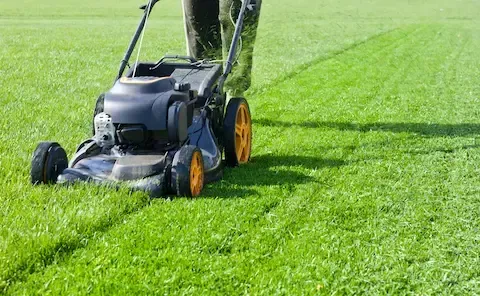
Weekly mowing tuned to Davenport growing conditions and proper cutting heights for cool-season turf.
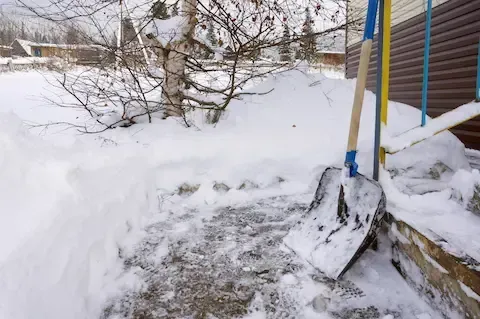
Steps, porches, and doorways cleared and de-iced so you can walk safely to and from your home.
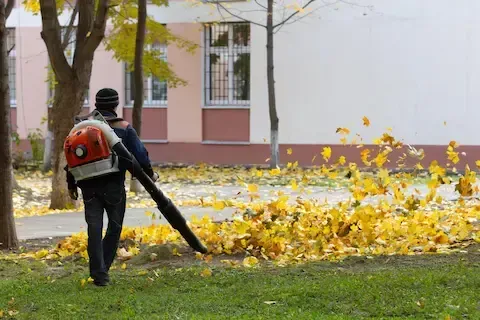
Complete leaf removal and property prep so your lawn survives the Iowa winter in the best shape possible.
Post-winter recovery service that clears debris, dethatches turf, and gets your lawn ready for the growing season.
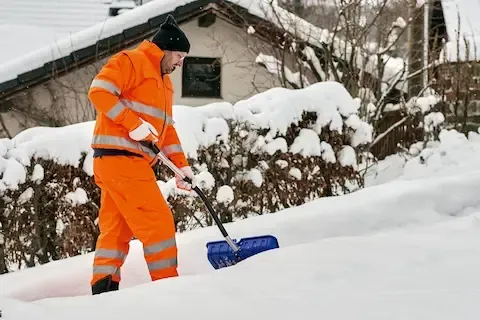
Reliable snow removal for Davenport homes and businesses with crews ready before the storm hits.
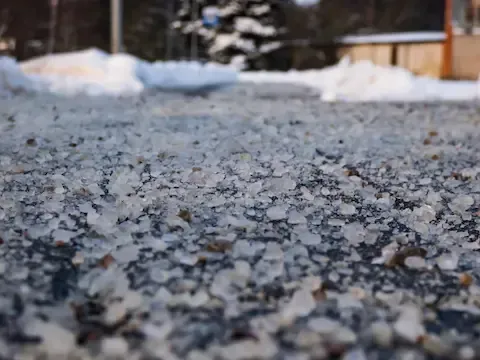
Temperature-matched de-icing that keeps walks, drives, and parking areas safe through Quad Cities winter conditions.
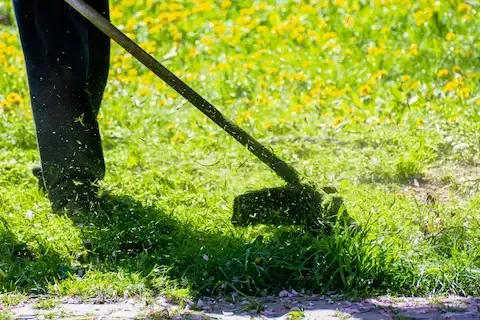
Sharp edges and clean trim lines along every surface for a polished, finished look across your property.
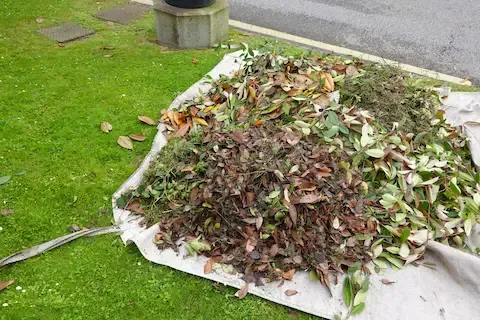
Fast removal of storm debris, fallen branches, and accumulated yard waste to keep your property clean and safe.
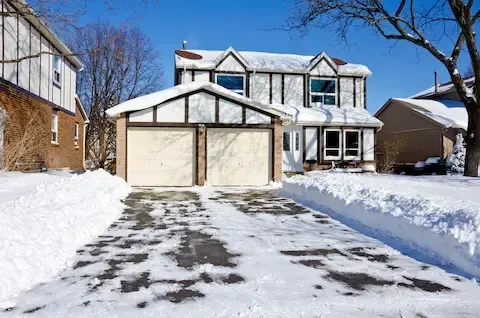
Surface-safe driveway clearing that gets you out of your garage and on the road before your morning commute.
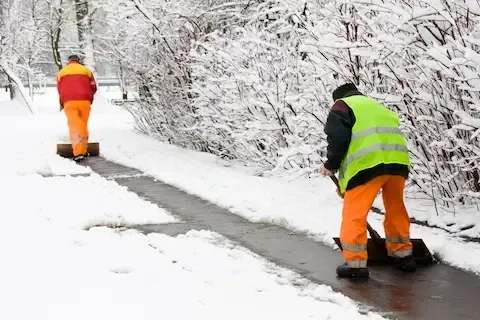
Fast sidewalk clearing with de-icing to keep you compliant with Davenport municipal code requirements.
Frequently Asked Questions
Lawn Care And Snow Removal can be complex, and we’re here to provide answers to common questions. Here are some frequently asked questions from our clients.
Frequently Asked Questions about Lawn Care And Snow Removal Davenport IA
How often should I mow my lawn in Davenport?
During peak growing season from May through September, most Davenport lawns need mowing every 7 to 10 days. Cool-season grasses like Kentucky bluegrass grow fastest in spring and fall when temperatures stay between 60 and 75 degrees. We adjust our mowing schedule based on rainfall patterns and growth rates so your lawn stays at the right height without removing more than one-third of the blade at a time.
When does snow removal season start in Davenport?
Snow removal season in the Quad Cities typically runs from late November through mid-March, though early storms can hit Eastern Iowa as soon as October. We monitor weather forecasts closely and activate our crews when accumulation reaches two inches or more. Our team stays on call throughout the winter months so your property is cleared before the morning commute.
Do you offer year-round lawn and snow packages?
Yes, we offer combined lawn care and snow removal packages that cover your property from the first spring cleanup through the last winter storm. Bundling both services gives you priority scheduling, consistent crew familiarity with your property, and a single point of contact for all your outdoor maintenance needs throughout the year.
What areas around Davenport do you serve?
We serve Davenport and the surrounding Quad Cities area including Bettendorf, Moline, Rock Island, Muscatine, and Clinton. Our crews are familiar with the specific soil conditions, municipal codes, and weather patterns across Scott County and the greater Mississippi River corridor. We handle both residential and commercial properties throughout our service territory.
How quickly do you respond after a snowfall?
Our crews begin clearing snow once accumulation reaches two inches, and we work to have residential properties cleared within a few hours of snowfall ending. For commercial accounts, we offer priority response with crews dispatched during the storm to keep parking lots and walkways accessible. Davenport requires sidewalks cleared within 10 hours after snowfall stops, and we make sure our clients stay in compliance.
What happens to my lawn after a harsh Iowa winter?
Iowa winters can leave lawns dealing with snow mold, salt damage along walkways, compacted soil from freeze-thaw cycles, and matted dead grass. Our spring cleanup service addresses all of these issues with thorough debris removal, dethatching where needed, and an assessment of any bare spots that may need overseeding. Getting on top of winter damage early gives your lawn the best chance to recover before summer heat arrives.
Need Lawn Care And Snow Removal?
What Our Satisfied Clients Have to Say About Davenport Lawn and Snow
We pride ourselves on delivering great results and experiences for each client. Hear directly from home and business owners who’ve trusted us with their Lawn Care And Snow Removal needs.

We switched to a year-round package and it has been the best decision. The lawn looks better than ever and we never worry about snow piling up. They always show up on time and the crew is professional every visit.
Sarah M., Davenport
After a big ice storm last winter, they had our driveway and sidewalks cleared before we even woke up. The spring cleanup crew did a great job getting our yard back in shape too. Solid service all around.
Tom R., Bettendorf
Finally found a company that handles everything. The mowing is consistent and the snow clearing is fast. Having one team that knows our property year-round makes a real difference compared to juggling different contractors.
Linda K., Rock Island
The Trusted Lawn Care And Snow Removal Expert Near You
Ready to hear more about expert services at Davenport Lawn and Snow?
Contact us today to receive a detailed, no-obligation quote.

Serving Davenport and the neighboring cities
24/7
