
Year-Round Lawn Care and Snow Removal That Keeps Moline Properties Ready for Every Season
How Moline's River Valley Climate Shapes Property Care
Residential and commercial properties across Moline sit in the Mississippi River valley where warm-season humidity pushes turf disease pressure higher than surrounding upland areas. Homes along corridors like Avenue of the Cities and John Deere Road deal with clay-heavy soils that hold moisture well into autumn, extending active growth periods but also creating conditions where fungal issues take hold quickly if mowing height or frequency falls behind. Lawns in older sections near Forest Hill-Highland and Prospect Park often contend with mature tree canopy that thins turf density, requiring adjusted mowing patterns and seasonal cleanup schedules that account for heavy leaf drop. Commercial properties near the John Deere Road retail corridor face constant visibility pressure, where neglected turf and uncleared snow directly affect foot traffic and customer perception. Keeping grass at the right height through the growing season and maintaining clean, accessible surfaces through winter is not optional maintenance — it is basic operational upkeep. Properties closer to the river also experience microclimates where frost arrives earlier and snowmelt lingers longer than lots just a mile inland, compressing the transition window between fall cleanup and winter readiness. The same clay soils that retain summer moisture freeze unevenly, creating surface conditions that demand timely snow and ice management to keep walkways and driveways safe.
What Quad Cities Winters Mean for Moline Driveways and Walkways
Snow events in the Quad Cities corridor regularly produce accumulations that stack up quickly, and Moline properties bear the full weight of storms tracking along the river valley. Driveways and parking lots across neighborhoods like Karstens-City Line and East End sit at elevations where wind-driven snow drifts against structures and fences, creating clearing challenges that go beyond simple plowing. Sidewalk obligations add another layer of responsibility, and properties on corner lots carry significantly more linear footage to maintain. The freeze-thaw cycles common throughout January and February turn cleared surfaces into ice hazards within hours if de-icing is not applied correctly and at the right time. Managing that cycle requires understanding which products hold up at the temperatures Moline actually hits, not just what works in milder conditions. On the lawn care side, spring recovery after months of snow cover, salt exposure along walkways, and compacted soil from repeated freezing separates properties that bounce back quickly from those that struggle through June. Addressing winter damage early — identifying snow mold, repairing bare patches, and restoring edge definition along hardscapes — sets the trajectory for the entire growing season. Properties that skip that recovery window often spend the rest of summer chasing problems that could have been corrected in the first few weeks of thaw.
Moline Lawn Mowing and Seasonal Maintenance
Mowing schedules in Moline need to account for the aggressive growth rates that cool-season grasses produce during the spring flush and fall recovery windows. Properties throughout the city grow Kentucky bluegrass and fescue blends that push hard when daytime temperatures settle between 60 and 75 degrees, which in the Quad Cities means peak growth from mid-April through early June and again from mid-September through October. Cutting frequency during those windows typically runs weekly, and skipping even one cycle risks removing more than a third of the blade at the next pass — a stress trigger that weakens root systems and opens the door for weed pressure. Lots with mature trees in areas like Old Towne and Wheelock-Veile require adjusted approaches where mower deck height accounts for shade-adapted turf that grows thinner and taller than full-sun sections of the same property. Edging along driveways, sidewalks, and bed lines keeps the finished appearance sharp and prevents grass runners from creeping over hard surfaces, which happens quickly in the heavy clay soils found throughout Rock Island County. Regular mowing also serves a practical maintenance function: it keeps thatch accumulation in check, distributes clippings as natural fertilizer, and provides consistent visual monitoring of turf health issues before they spread across the entire lawn.
Snow Plowing and Ice Control for Moline Properties
Snow removal on Moline properties requires equipment and timing calibrated to the specific patterns that the river corridor produces. Storms arriving from the northwest tend to be drier and wind-driven, piling drifts against north-facing garages and fence lines, while systems tracking up from the south carry heavier, wetter snow that packs down quickly and becomes significantly harder to move within hours of falling. Driveways across Moline range from short two-car approaches in the Rockview Estates area to longer runs serving properties built on deeper lots in Heritage and Park Hill, each requiring different clearing strategies. Truck-mounted plows handle the bulk of driveway and parking lot clearing, with rubber or poly cutting edges that protect concrete and asphalt surfaces from gouging. Walk-behind blowers and hand shovels address sidewalks, steps, and entryways where precision matters more than speed. De-icing follows every clearing pass, with product selection driven by the actual temperature at the surface — standard rock salt loses effectiveness below 15 degrees, a threshold Moline crosses regularly between December and February. Calcium chloride blends take over during those deep cold stretches to maintain reliable melting action. Timing matters as much as technique: clearing before accumulation bonds to the surface reduces both the effort required and the risk of residual ice formation.
Spring Recovery and Fall Prep in Moline
The transition periods between seasons create the highest-stakes maintenance windows for Moline properties. Fall cleanup involves more than raking leaves — it means clearing gutters, trimming perennials back to prevent winter rot, cutting turf to dormancy height, and removing organic debris that would otherwise mat down under snow cover and create conditions for snow mold and fungal disease. Properties surrounded by mature hardwoods in areas like Forest Hill-Highland and Stephens Park generate enormous leaf volumes that require multiple passes between mid-October and late November. Skipping fall cleanup or doing it too early means a second round of work when late-dropping oaks finally release their canopy. Leaving the job incomplete invites the kind of damage that shows up as dead patches the following April. Spring cleanup reverses the process: assessing winter damage, removing branches and debris deposited by winter storms, dethatching where matted grass prevents new growth, and restoring clean edge lines along all hardscape borders. The first mow of the season gets turf moving again at the correct height, and identifying bare spots or salt-damaged areas early allows corrective overseeding before summer heat makes establishment difficult. Properties that invest in both seasonal transitions consistently produce stronger, denser turf through the growing season and face fewer emergency cleanup situations after major weather events throughout the year.
Comprehensive Lawn Care And Snow Removal Services in Davenport
Tailored to Your Needs
From weekly mowing and seasonal cleanups to snow plowing and de-icing, we handle every aspect of outdoor property maintenance for Davenport homes and businesses. Each service is built around the specific demands of the Quad Cities climate, from the clay-heavy soils that affect turf health to the 33-plus inches of annual snowfall that require reliable winter clearing.
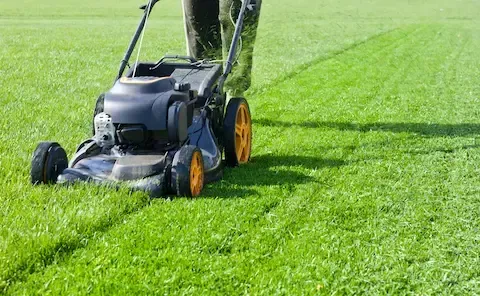
Weekly mowing tuned to Davenport growing conditions and proper cutting heights for cool-season turf.
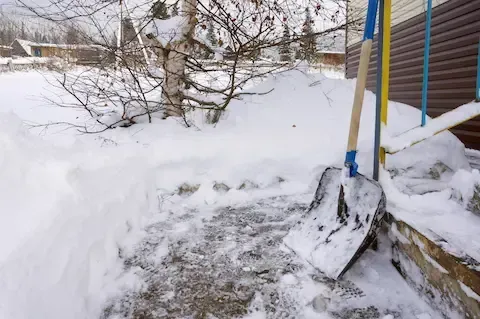
Steps, porches, and doorways cleared and de-iced so you can walk safely to and from your home.
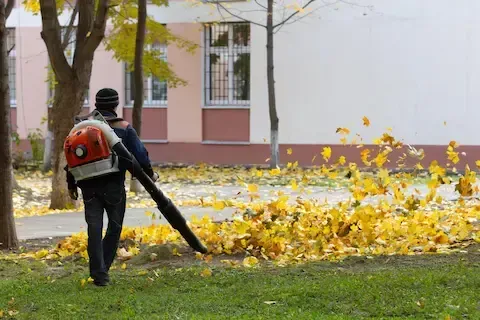
Complete leaf removal and property prep so your lawn survives the Iowa winter in the best shape possible.

Post-winter recovery service that clears debris, dethatches turf, and gets your lawn ready for the growing season.
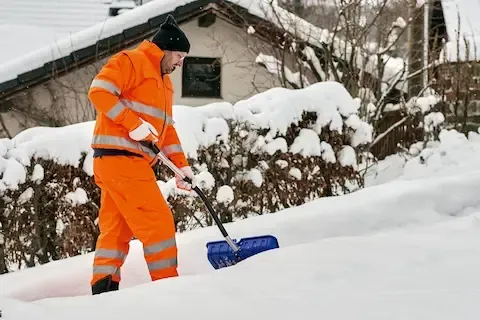
Reliable snow removal for Davenport homes and businesses with crews ready before the storm hits.
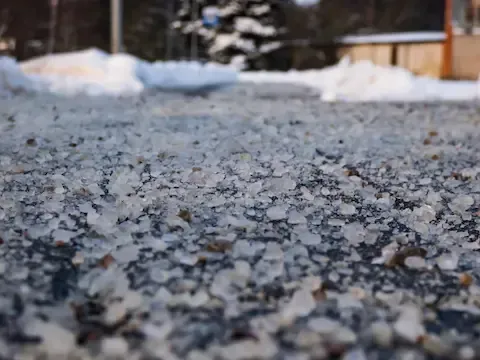
Temperature-matched de-icing that keeps walks, drives, and parking areas safe through Quad Cities winter conditions.
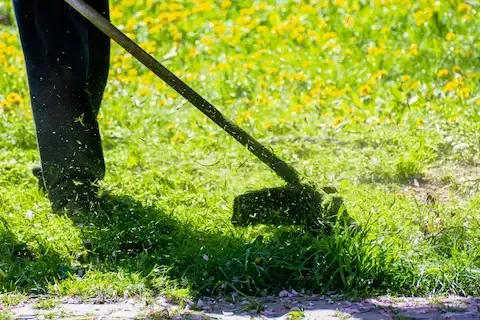
Sharp edges and clean trim lines along every surface for a polished, finished look across your property.
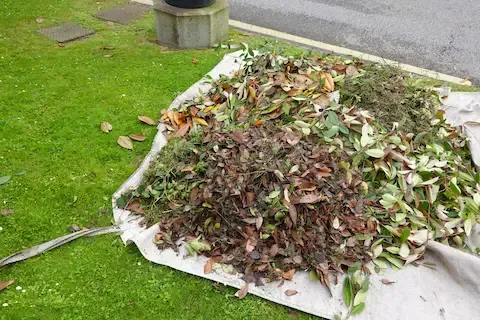
Fast removal of storm debris, fallen branches, and accumulated yard waste to keep your property clean and safe.
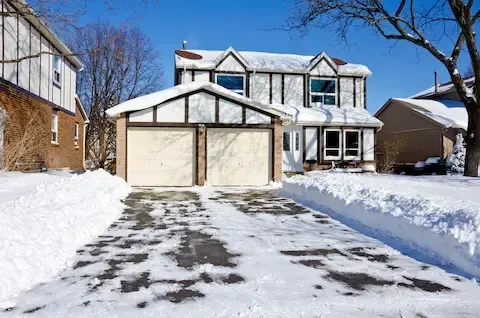
Surface-safe driveway clearing that gets you out of your garage and on the road before your morning commute.
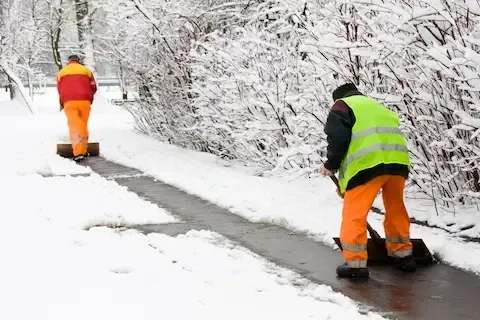
Fast sidewalk clearing with de-icing to keep you compliant with Davenport municipal code requirements.
Frequently Asked Questions
Lawn Care And Snow Removal can be complex, and we’re here to provide answers to common questions. Here are some frequently asked questions from our clients.
Frequently Asked Questions about Lawn Care And Snow Removal Davenport IA
How often should I mow my lawn in Davenport?
During peak growing season from May through September, most Davenport lawns need mowing every 7 to 10 days. Cool-season grasses like Kentucky bluegrass grow fastest in spring and fall when temperatures stay between 60 and 75 degrees. We adjust our mowing schedule based on rainfall patterns and growth rates so your lawn stays at the right height without removing more than one-third of the blade at a time.
When does snow removal season start in Davenport?
Snow removal season in the Quad Cities typically runs from late November through mid-March, though early storms can hit Eastern Iowa as soon as October. We monitor weather forecasts closely and activate our crews when accumulation reaches two inches or more. Our team stays on call throughout the winter months so your property is cleared before the morning commute.
Do you offer year-round lawn and snow packages?
Yes, we offer combined lawn care and snow removal packages that cover your property from the first spring cleanup through the last winter storm. Bundling both services gives you priority scheduling, consistent crew familiarity with your property, and a single point of contact for all your outdoor maintenance needs throughout the year.
What areas around Davenport do you serve?
We serve Davenport and the surrounding Quad Cities area including Bettendorf, Moline, Rock Island, Muscatine, and Clinton. Our crews are familiar with the specific soil conditions, municipal codes, and weather patterns across Scott County and the greater Mississippi River corridor. We handle both residential and commercial properties throughout our service territory.
How quickly do you respond after a snowfall?
Our crews begin clearing snow once accumulation reaches two inches, and we work to have residential properties cleared within a few hours of snowfall ending. For commercial accounts, we offer priority response with crews dispatched during the storm to keep parking lots and walkways accessible. Davenport requires sidewalks cleared within 10 hours after snowfall stops, and we make sure our clients stay in compliance.
What happens to my lawn after a harsh Iowa winter?
Iowa winters can leave lawns dealing with snow mold, salt damage along walkways, compacted soil from freeze-thaw cycles, and matted dead grass. Our spring cleanup service addresses all of these issues with thorough debris removal, dethatching where needed, and an assessment of any bare spots that may need overseeding. Getting on top of winter damage early gives your lawn the best chance to recover before summer heat arrives.
Need Lawn Care And Snow Removal?
What Our Satisfied Clients Have to Say About Davenport Lawn and Snow
We pride ourselves on delivering great results and experiences for each client. Hear directly from home and business owners who’ve trusted us with their Lawn Care And Snow Removal needs.

We switched to a year-round package and it has been the best decision. The lawn looks better than ever and we never worry about snow piling up. They always show up on time and the crew is professional every visit.
Sarah M., Davenport
After a big ice storm last winter, they had our driveway and sidewalks cleared before we even woke up. The spring cleanup crew did a great job getting our yard back in shape too. Solid service all around.
Tom R., Bettendorf
Finally found a company that handles everything. The mowing is consistent and the snow clearing is fast. Having one team that knows our property year-round makes a real difference compared to juggling different contractors.
Linda K., Rock Island
The Trusted Lawn Care And Snow Removal Expert Near You
Ready to hear more about expert services at Davenport Lawn and Snow?
Contact us today to receive a detailed, no-obligation quote.

Serving Davenport and the neighboring cities
24/7
